
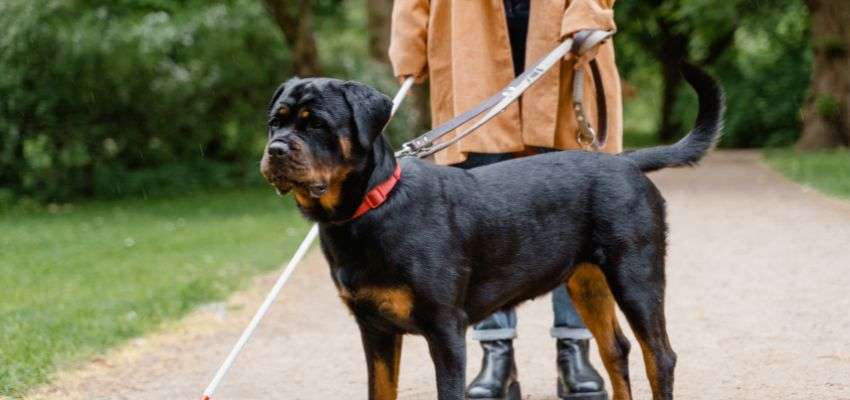
You’ve probably petted dozens of dogs in your lifetime. But do you actually know the safest and most comfortable way for the dog to be greeted and petted?
Most of us instinctively approach a cute pup, reach out our hand, and start petting. But what feels friendly to us can actually feel intimidating or uncomfortable to a dog.
The safest way to greet and pet a dog is to ask their handler for permission, give the dog space, stand slightly sideways, and let the dog approach you. If the dog welcomes physical contact, pet gently for three seconds, pause, and see whether they want more.
Whether you’re meeting a friendly family pet, a nervous rescue, or a reactive dog, these simple steps can help make the experience safer and more comfortable for the dog.
1. Always Ask the Handler First
Before approaching an unfamiliar dog, ask their handler, “May I say hello to your dog?”
Even if the dog looks friendly, they could be nervous, reactive, in training, or simply not interested in meeting strangers.
According to the American Kennel Club (AKC), asking permission is an essential first step when greeting an unfamiliar dog.
If the answer is no, respect it and give the dog space.
2. Let the Dog Approach You
Just because the handler says yes doesn’t mean the dog wants to interact.
Instead of walking directly toward the dog, stop at a comfortable distance and let them approach you.
Don’t lure them closer, force an interaction, or assume that sniffing means they’re inviting you to pet them.
Let the dog make the first move. If they don’t approach, that’s perfectly okay!
3. Turn Your Body Sideways
Your body language matters!
Rather than facing the dog directly, turn your body slightly sideways, keep your posture relaxed, and avoid staring into their eyes.
Head-on approaches, direct eye contact, and leaning over a dog can feel threatening, particularly to nervous or sensitive dogs.
The AKC’s guidance on greeting unfamiliar dogs recommends allowing dogs to initiate contact rather than approaching them in an intimidating manner.
4. Keep Your Hands to Yourself
Many of us grew up hearing, “Hold out your hand so the dog can sniff you.”
But dogs have an incredible sense of smell. There’s no need to stick your hand toward their face!
Keep your hands relaxed and close to your body. Let the dog investigate you at their own pace without reaching into their personal space.
5. Pet Gently and Follow the Three-Second Rule
If the dog approaches with relaxed body language and appears interested in physical contact, ask their handler where the dog enjoys being touched.
The chest, shoulders, or side of the neck are often more comfortable starting points than reaching over the dog’s head.
The AKC also explains why many dogs dislike being patted on the head, especially by unfamiliar people.
Now try the Three-Second Rule, a simple technique for checking whether the dog wants the interaction to continue.
Pet the dog gently for three seconds. Then STOP.
Watch what happens next:
- The dog leans in, moves closer, or nudges your hand: They may be asking for more.
- The dog turns away, steps back, or becomes stiff: Stop petting and give them space.
- The dog simply stands there: Don’t assume they’re enjoying it. Observe their overall body language before continuing. Look for cues from the handler.
If the dog clearly welcomes more attention, repeat the process: pet for three seconds, pause, and let them choose again.
The three-second rule isn’t a guarantee of consent. It’s a reminder to pause, observe, and respect the dog’s comfort.
6. Learn to Recognize When a Dog Needs Space
Dogs communicate through body language, and not every signal is obvious.
Watch for signs of discomfort, including:
- Turning or looking away
- Lip licking or yawning
- Flattened ears or a tucked tail
- Stiffening or freezing
- Moving away or avoiding contact
And remember, a wagging tail doesn’t automatically mean a dog is happy or comfortable.
The ASPCA’s dog bite prevention guidelines emphasize recognizing these signals and respecting a dog’s boundaries to help prevent unsafe interactions.
The Golden Rule of Greeting Dogs
Ask the handler → Give space → Turn sideways → Let the dog approach → Observe → Pet for three seconds → Pause → Let the dog decide.
For some nervous, fearful, or reactive dogs, the kindest greeting may be no greeting at all.
At Golden Dog Adventure Co. in New Hampshire, we believe understanding our dogs, respecting their individual needs, and giving them choices are essential to building trust and supporting wellness at both ends of the leash.
The next time you meet a dog, remember:
It’s not about how much you want to pet them. It’s about whether they feel comfortable being petted by you.
